

Crane Unavailable? How to Prevent Costly Construction Delays in Dubai
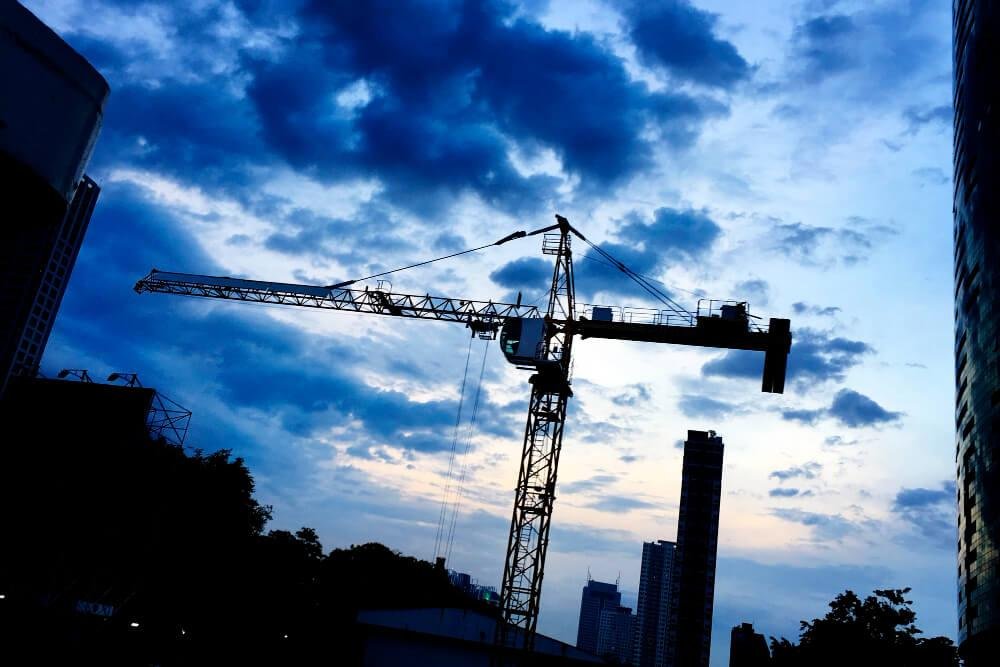
Construction projects in Dubai depend on careful coordination between equipment, materials, workers and subcontractors. When a crane becomes unavailable at the wrong time, even a short interruption can affect several activities at once.
If the lift is delayed, workers may be waiting, material may not be installed and other projects may be delayed. The cost that may arise from this is extra labor, equipment downtimes, rescheduling and longer project timelines. It should therefore be part of a construction plan for contractors and project managers to have access to the appropriate Dubai crane.
Quick Answer: To prevent costly crane-related delays, identify your lifting requirements early, choose equipment based on capacity and site conditions, reserve it in advance and keep a backup option for critical operations. Proper site preparation, regular maintenance and clear communication with the crane provider can further reduce downtime.
Why Crane Availability Matters in Dubai Construction
Dubai’s construction industry encompasses high-rise projects, commercial buildings, infrastructure, and industrial installations. The lifting capacity requirements for each project may vary.
The right crane depends on factors such as:
| Requirement | Why It Matters |
|---|---|
| Load weight | Determines required lifting capacity |
| Lifting height | Affects crane configuration and reach |
| Working radius | Influences lifting capability |
| Site access | Determines mobilisation and positioning |
| Ground conditions | Important for safe setup |
| Project duration | Helps with rental scheduling |
Choosing equipment simply because it is available can create problems if it does not meet the project’s actual requirements.
- Identify Crane Requirements Early
Project teams should clearly define the lifting requirements prior to booking a crane, depending on the scope and conditions of the project. Take into account load weight, lifting height, working radius, site access, ground conditions and the length of time the machine will be required. These details can aid in the selection of appropriate equipment, prevent sudden changes and minimize the chances of delays during the critical lifting procedure.
Consider:
- Maximum load weight
- Required lifting height
- Working radius
- Lifting locations
- Rental duration
- Site access
- Ground conditions
These details will enable the equipment provider to make a good recommendation of the appropriate equipment and give the project team time to make alternative arrangements if needed.
- Select the Right Crane for the Application
Cranes have to be versatile to handle the various tasks in the construction industry. A crane that is effective for one lift could not be used for another lift.
For projects requiring flexible equipment that can be moved between work areas, mobile crane rental in Dubai can be considered based on the site’s requirements.
The selection should take into account:
- Lifting capacity
- Boom reach
- Mobility
- Setup requirements
- Site limitations
- Duration of use
The objective is to match the crane to the job rather than simply choosing the first available machine.
- Work With a Reliable Crane Provider
Selecting a suitable crane provider can assist you in maintaining the time schedule of your project and minimize disruptions caused by equipment. You should assess the availability of cranes in the UAE, equipment condition, maintenance quality, mobilization assistance and timeliness when choosing a crane company in UAE. A dependable provider can also support you in picking appropriate equipment and promptly respond to any changes in your lifting requirements.
- Fleet availability
- Equipment specifications
- Maintenance practices
- Mobilisation support
- Scheduling flexibility
- Response to changing requirements
A provider with a suitable range of equipment can also make it easier to arrange alternatives when project requirements change.
- Reserve Equipment in Advance
Waiting until the last minute to arrange a crane can increase the risk of delays, particularly when equipment demand is high.
Include crane requirements in the overall project schedule.
A simple process is:
Identify requirements → Confirm specifications → Check availability → Reserve equipment → Prepare site → Mobilise crane
Advance scheduling gives contractors more time to address availability issues before they affect construction work.
- Have a Backup Plan
Even if a project is well planned, there might be unexpected problems. Equipment can need maintenance, schedules can shift or a crane could be needed at another location.
For critical lifting operations, contractors can prepare a contingency plan by:
- Identifying alternative equipment
- Keeping contact with suitable providers
- Allowing flexibility in the lifting schedule
- Confirming alternative crane capacities
The backup option should still meet the project’s technical and safety requirements.
Key Takeaway: A backup plan can prevent one unavailable crane from turning into a major project delay, particularly when several construction activities depend on the same lifting operation.
- Check Equipment Condition and Maintenance
Ensure a crane is in good condition, maintenance and inspected before it is mobilized to the site. Inspect equipment, its condition, load and safety systems to reduce the possibility of breakdowns. Safe, reliable and timely lifting operations are maintained by well-maintained equipment.
Project teams should consider:
- Equipment condition
- Inspection status
- Load capacity
- Safety systems
- Operating requirements
- Setup requirements
Regular maintenance can help reduce the likelihood of unexpected equipment problems during important lifting operations.
- Prepare the Site Before Crane Mobilisation
The area must be set up ready for the crane’s arrival to prevent delays. Make sure there are clear paths for access, setup area prepared, ground conditions appropriate, and lifting zones set up. Materials, workers and other equipment needed should also be available for the crane to start work without unnecessary delays.
Before mobilisation, make sure:
- Access routes are clear
- The setup area is prepared
- Ground conditions are suitable
- Lifting zones are established
- Materials are ready
- Required personnel are available
- Other site activities are coordinated
Good preparation helps ensure that crane operating time is used efficiently.
- Coordinate Lifting With Other Site Activities
There are usually multiple teams working on the same construction site. Waiting time can occur even if the crane is already available because of poor coordination.
Crane activities should be coordinated with:
- Material deliveries
- Structural work
- Installation teams
- Subcontractors
- Storage areas
- Site access
For example, if materials are not ready when the crane arrives, valuable operating time can be lost.
- Compare Providers Beyond Price
Rental price is important, but it should not be the only factor when comparing Dubai crane rental companies.
| Factor | What to Check |
|---|---|
| Price | Rental and additional charges |
| Availability | Required dates |
| Fleet | Types and capacities available |
| Equipment condition | Maintenance and inspections |
| Support | Assistance during the project |
| Flexibility | Ability to handle schedule changes |
A provider offering suitable equipment and reliable support may help reduce the risk of additional costs caused by delays.
- Maintain Clear Communication
Last minute disruptions can be avoided if there is good communication between the project team and the crane provider. Notify the provider of any lifting dates, load requirements, site access, equipment needs or changes in the schedule. Providing this information early allows the provider to make suitable changes to the arrangements and ensure lifting activities continue as normal.
Project teams should inform the equipment provider about:
- Changes to lifting dates
- Updated load requirements
- Site access changes
- Additional equipment needs
- Changes to project duration
Frequently Asked Questions
What should be considered when selecting a crane?
Load capacity, lifting height, working radius, site access, ground conditions and project duration are among the factors. The equipment needs to be appropriate for the application.
Why is a backup crane plan important?
Unexpected maintenance or schedule problems may disrupt lifting activities. Backup equipment and/or service provider is helpful in reducing outages.
Does site preparation affect crane productivity?
Yes. Poor access, unsuitable setup areas or unprepared materials can leave a crane waiting. Preparing the site beforehand helps make better use of the available equipment.
Should contractors choose a crane based only on price?
No. Price should be considered alongside equipment suitability, availability, condition, support and scheduling flexibility. These factors can affect the overall cost of a project.
How early should crane requirements be planned?
Ideally, requirements for cranes should be taken into account when planning the project. By scheduling early, contractors have time to have the appropriate equipment and make other arrangements.
Conclusion
Crane availability can have a significant effect on construction schedules when several activities depend on lifting operations. An unavailable crane can result in idle labour, disrupted material handling and delays to subsequent work, making reliable Dubai cranes an important part of effective project planning.
The solution is to plan ahead. Lifting requirements should be determined early on in the assignment, suitable equipment should be chosen, critical lift assignments must be pre-booked and a contingency plan should be put in place for cranes on critical lifts.